Invisalign Class Action Lawsuit: What All Patients Should Know in 2025
Introduction: Why This Lawsuit Is Unique
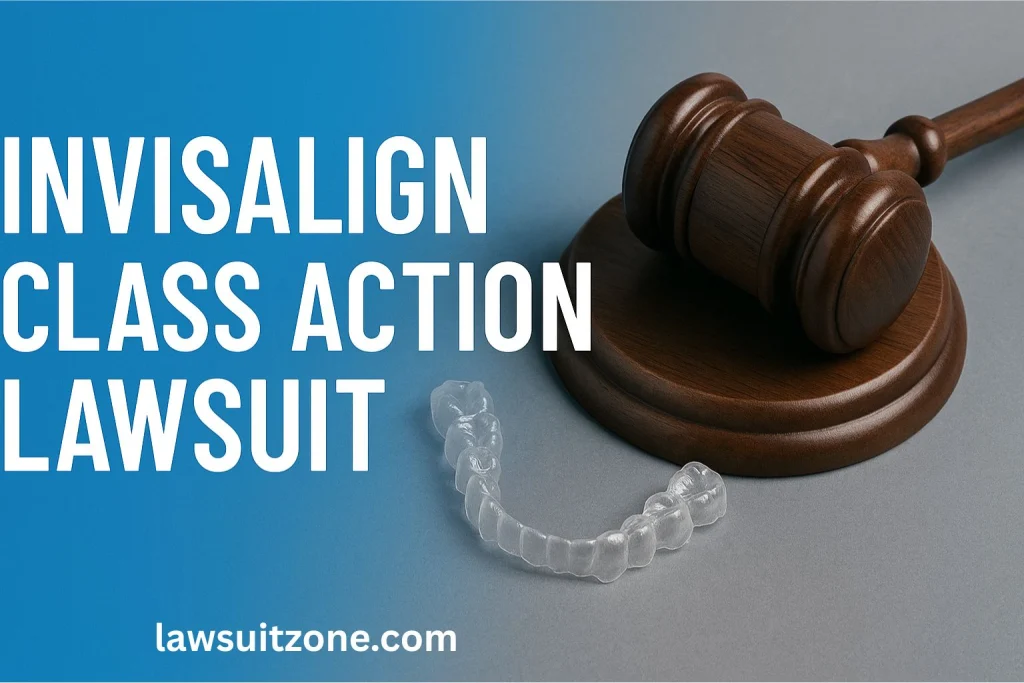
When Invisalign was first introduced, it seemed magical. Clear, slow-moving trays that shift your teeth, without the metal and wires of braces? For a lot of folks, it was a dream realized. Flash forward to today, though, and Invisalign isn’t just in the news for beautiful smiles. It’s the epicenter of a record-breaking Invisalign Class Action Lawsuit that asks if the company that makes it, Align Technology, has been playing by the rules.
This isn’t just another lawsuit. It affects thousands of patients who’ve spent thousands of dollars, and it raises big questions about competition, pricing, and patient choice in orthodontics. If you’ve ever paid for Invisalign, or even considered it, this case could matter to you. Have you checked our detailed guide on Paul Mackoul Lawsuit.
Invisalign: From Innovation to Monopoly
A Revolution in Orthodontics
Invisalign debuted in 1997 with a promise: goodbye “metal mouth” braces. With 3D scans, computer programs, and personalized plastic trays, Invisalign presented patients with a nearly invisible way to straight teeth.
The selling points were obvious:
- Unobtrusive aligners that are easy to overlook
- Removable trays for eating or brushing
- Less pain than braces
- Digital progress monitoring
It wasn’t long before Invisalign was taking over the market. For many years, it was the go-to name in clear aligners.
From Innovation to Market Power
But with success came a price. When competitors such as SmileDirectClub and Candid began introducing lower-cost options, Align Technology supposedly sought to bar them from doing so. This is where the lawsuit starts.
The Story Behind the Invisalign Class Action Lawsuit
The Monopoly Accusations
The suit contends that Align Technology didn’t simply bank on innovation to outperform. Rather, it supposedly:
- Kept orthodontists under contract, forcing them to recommend Invisalign alone
- Cut deals that restricted how dentists could use or endorse competing aligner brands
- Employed its size to drive up prices and shut down competition
Why Patients Care
For customers, this translated to fewer options and stiffer prices. Picture visiting the store and seeing only a single brand of toothpaste, costing twice its normal price. That’s what many patients tell us that they felt it was like when Invisalign was presented as the sole viable choice.
What Is a Class Action Lawsuit, Anyway?
A class action lawsuit enables a number of individuals with the same grievance to sue collectively. It’s cost-effective, it saves dollars, and it empowers consumers against large corporations.
Why class actions are important in instances such as Invisalign:
- Shared risk: A single patient may not be able to bear a lawsuit on their own, but collectively, thousands can
- Collective power: Large cases are taken more seriously by courts
- Fairer outcomes: Settlements usually see everyone receive a share of compensation
In this instance, patients nationwide are joining forces, complaining that the company’s methods drove Invisalign prices unnecessarily high.
The Legal Grounds: Antitrust and Consumer Protection
Antitrust in Plain English
Antitrust laws are designed to maintain fair markets. They keep one corporation from dominating the whole market and closing others out.
Complaints against Invisalign include:
- Restricting dentists from treating with other brands
- Preventing competition from reaching patients
- Charging too much from patients by eliminating lower-priced options
Consumer Protection Angle
This is not just about competition. It’s also about patients’ rights. The lawsuit alleges consumers were not presented with honest choices or fair prices, which is a violation of fundamental consumer protection concepts.
How Patients Have Been Affected
The Cost Issue
Invisalign treatments typically range from $3,000 to $8,000. That’s an enormous expense for most families. With reasonable competition, many feel they could have achieved the same outcome for much less.
Limited Options
Patients who inquired about alternatives were told, often, “Invisalign is your only option.” If the charges are accurate, that wasn’t so — but competition was made unavailable to them.
Loss of Trust
Healthcare is predicated on trust. When patients sense that they’re being asked to pay more due to corporate manipulation, not medical necessity, that trust is lost.
Impact on Dentists and Orthodontists
Dentists weren’t immune to the controversy, either. The lawsuit alleges Align Technology tied providers’ hands with Invisalign-favored contracts.
What this meant for providers:
- Their professional freedom to suggest what’s best for patients was restricted
- They would lose access to Invisalign if they advocated for other brands
- Independent practices were squeezed by corporate limitations
For many orthodontists, this lawsuit isn’t about money — it’s about defending their professional liberty.
Who May Participate in the Invisalign Class Action Lawsuit?
Are You Eligible?
You may be qualified if:
- You paid for Invisalign treatment within the period in question
- You feel you were overcharged
- You are able to produce documentation (receipts, contracts, insurance claims)
Documentation Supporting Your Claim
- Receipts or payment arrangements for treatment
- Signed contracts with your dentist
- Insurance reports indicating Invisalign fees
The more documentation you have, the stronger your case.
Timeline of Important Events
- 1997: Invisalign emerges as a revolutionary technology
- 2000–2015: Invisalign enjoys near-monopoly position in clear aligners
- 2016 on: Entrants such as SmileDirectClub appear on the scene
- 2019–2021: Complaints appear, lawsuits instituted
- Today: The class action suit rolls on, no final decision yet
What Could Happen Next?
Possible Outcomes
- Redress for Patients: Qualified patients might receive refunds or rebates
- Policy Reforms: Align Technology might be compelled to relax restrictive agreements
- Penalties by Regulators: The company might be fined for antitrust offenses
Regardless of the decision, the case is certain to affect the way orthodontics does things in the future.
The Future of Clear Aligners
This lawsuit could end up transforming the whole industry.
What could change:
- Less expensive options as more competition emerges
- Pricing transparency, so patients have a clear understanding of what they’re paying for
- New entities entering the marketplace, driving the innovation further
- Patients having greater say over their orthodontic options
For most people, this might translate into straighter smiles at a fraction of the existing price.
FAQs
Conclusion
The Invisalign class action suit isn’t about any particular company it’s about the future of orthodontics. It’s about whether patients receive genuine options, whether dentists are free to act, and whether prices expose value or monopoly power.
If you think you were harmed, pull out your records and talk to an experienced lawyer. This suit can mean cheaper prices, greater choice, and a more equitable market for all who want a brighter smile.
Ultimately, the case is about more than courtroom theatrics. It’s about fairness in medicine — and the fact that even new companies have to obey the law.